A smart home dashboard on one HTML page with no framework
r/homeassistant · Reddit ·
Opus 5.5 handled everything from writing the code to preview testing, SSH (remote access) deployment and automation setup, and finished a screen that controls the whole home.
A smiling sun built block by block, with no commands
@siyabuilt·X·
Likes30.6KViews5.5M
Sonnet 5.5 and GPT-6 Astra got the same task, to build what you think you look like, and built side by side on a Minecraft server. Sonnet 5.5 placed blocks directly, with no commands, and raised a smiling sun with orange rays.
Within limits of 45 minutes, 10 build calls and 6,000 blocks, the model decided for itself how it looks and built it.
A single prompt, 12% of the usage limit: Opus 5.5's own launch video
@nahiddotai·Threads·
Likes1,000Replies297
With a single prompt, it made a launch promo video for Opus 5.5, complete with game-style background music. It used only 12% of the 5-hour usage limit.
It makes a whole video in its default state, with no extra tools or setup.
A 15-second motion designer showreel from a one-shot prompt
@stephanlivera·X·
Likes16.9KViews2.2M
With Opus 5.5 set to Max effort, its deepest thinking level, a single request asked for a 15-second motion graphic like a showreel (a short compilation video that shows off your skills) to attach to a résumé. The result was a video of bold CLAUDE lettering and the phrase motion designer moving across a red screen.
A self-introduction video that motion designers put real work into can come from a one-line request.
A 3D lens lab from a one-shot prompt in 1 hour 26 minutes for $25.66
@RyanSael·X·
Likes16.2KViews3.4M
From a single request to explain how camera focus works, it worked for 1 hour 26 minutes and built a hands-on 3D lens lab web page. Turning the focus ring moves the glass elements inside the lens and shifts the plane in sharp focus forward and back through the scene. The API (the way programs call the model) cost $25.66.
In one pass, it turned optics that are hard to follow in text into a teaching tool you learn by turning it with your hands.
A printmaking-style train journey drawn only in JavaScript, no images
r/ClaudeAI·Reddit·
Points2,531Comments103
A train journey with scenery passing outside the window, drawn only with JavaScript code and no image files. It took a single prompt and about 45 minutes.
Even a printmaking (risograph) art style can be expressed in code.
A shape-morphing UI motion video made only in code, no After Effects
@twoclipping·X·
Likes12KViews1M
Opus 5.5 made a UI motion video using only code. In it, a single shape keeps turning into screen elements such as a button and a music player. The video editor After Effects was not used at all, and the author also shared a prompt template for making the same video again.
Designers used to polish UI motion scene by scene in dedicated software. Now it can be made with a single prompt and an HTML file.
A personal budget dashboard, SharkFin, on 35% of the weekly limit
r/ClaudeAI·Reddit·
Points2,391Comments280
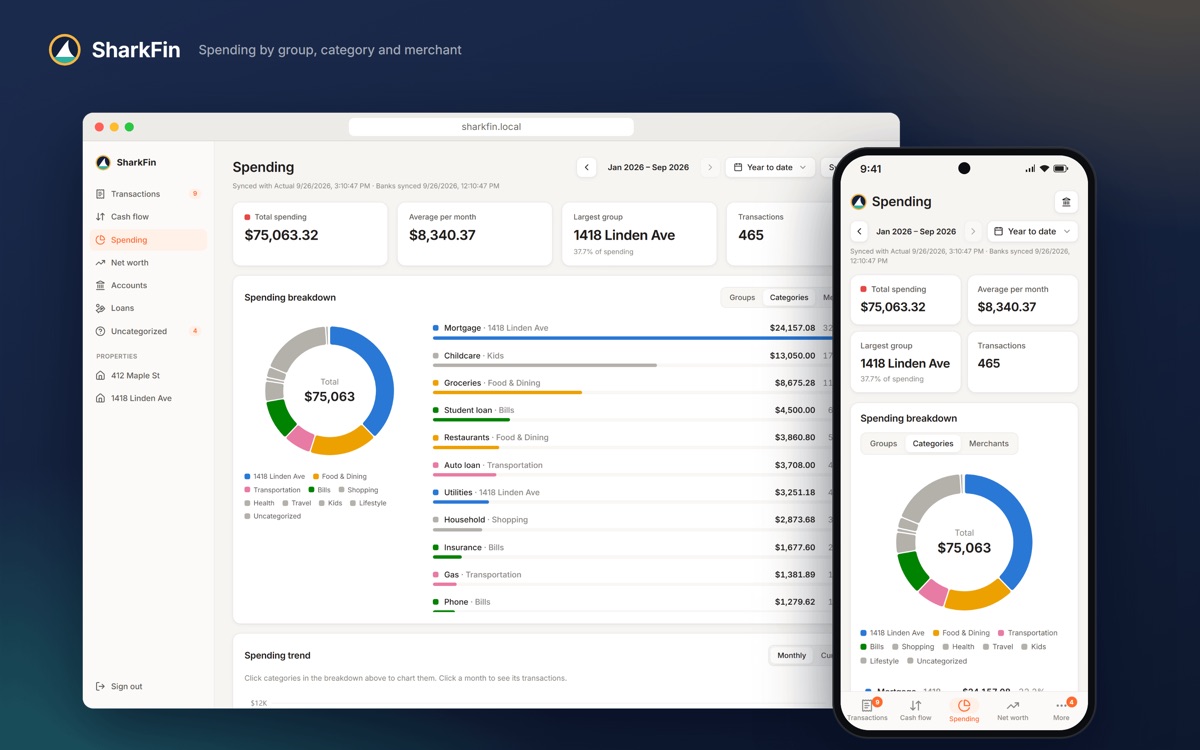
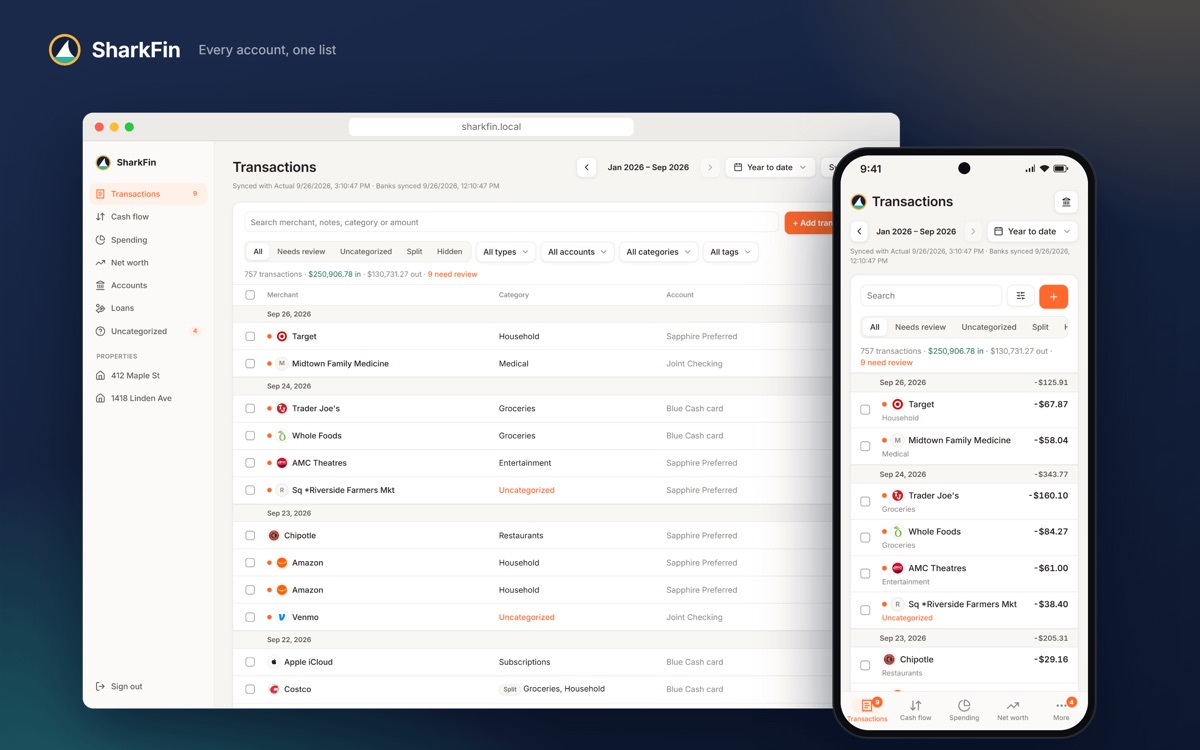
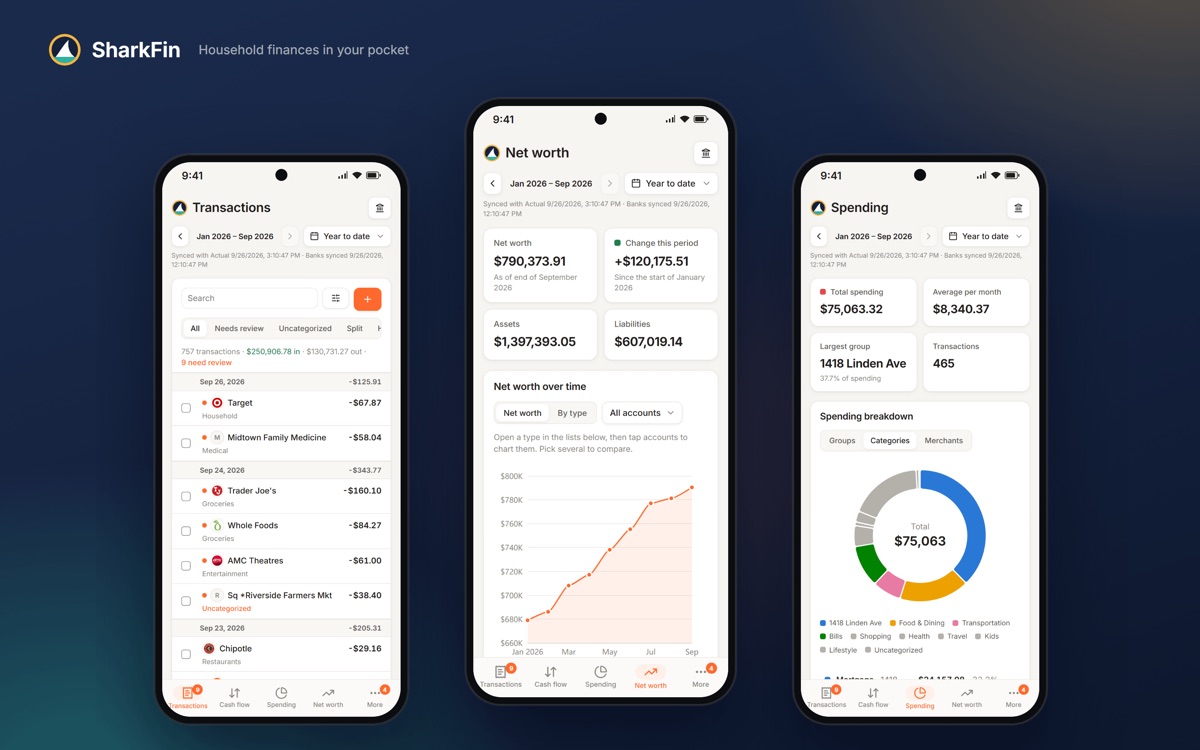
Opus 5.5 at medium (middle reasoning effort) built the screens of SharkFin, a personal finance dashboard like Monarch. It connects to bank accounts and shows spending, net worth and a transaction list on computer and phone screens. It also has a page for cash flow by property.
On just 35% of the weekly limit of the $20-a-month Claude Pro plan, you can finish a personal finance app that keeps your data in your own hands.
A smart home dashboard on one HTML page with no framework
r/homeassistant·Reddit·
Points2,122Comments554
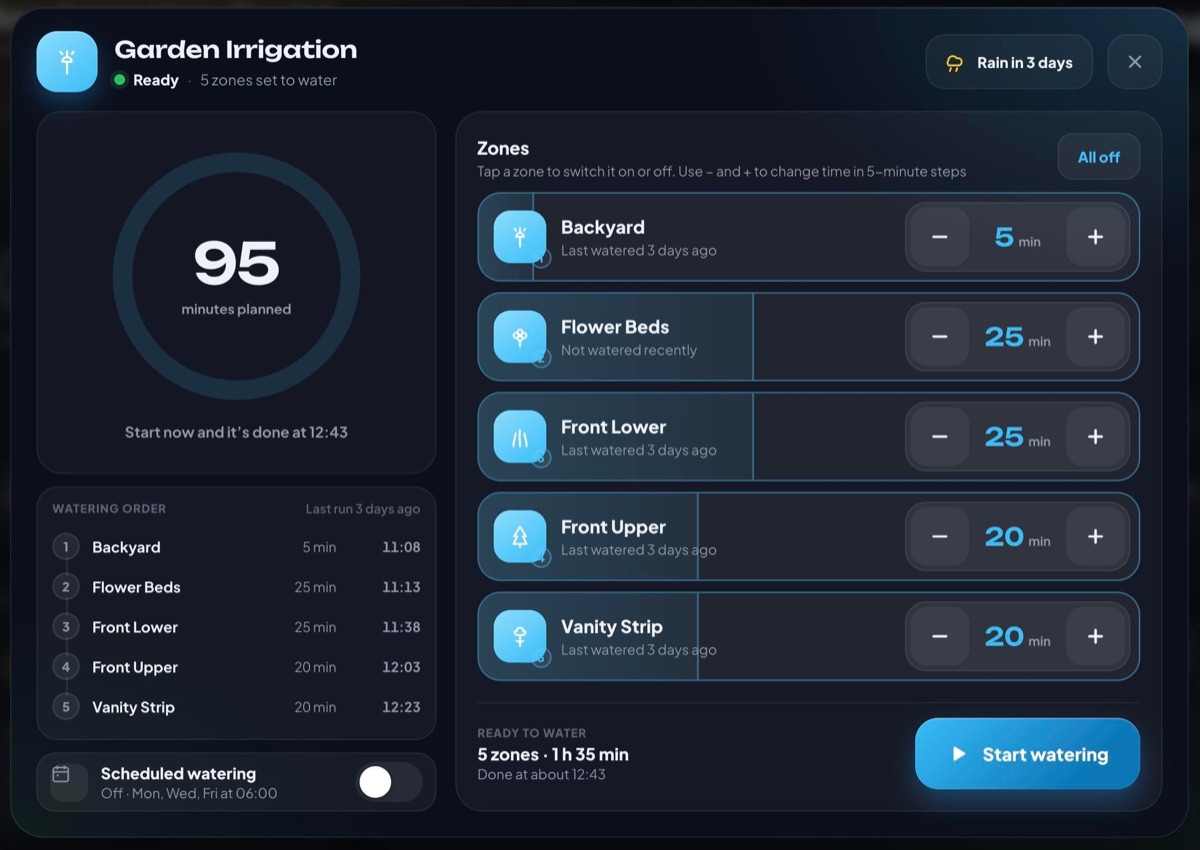
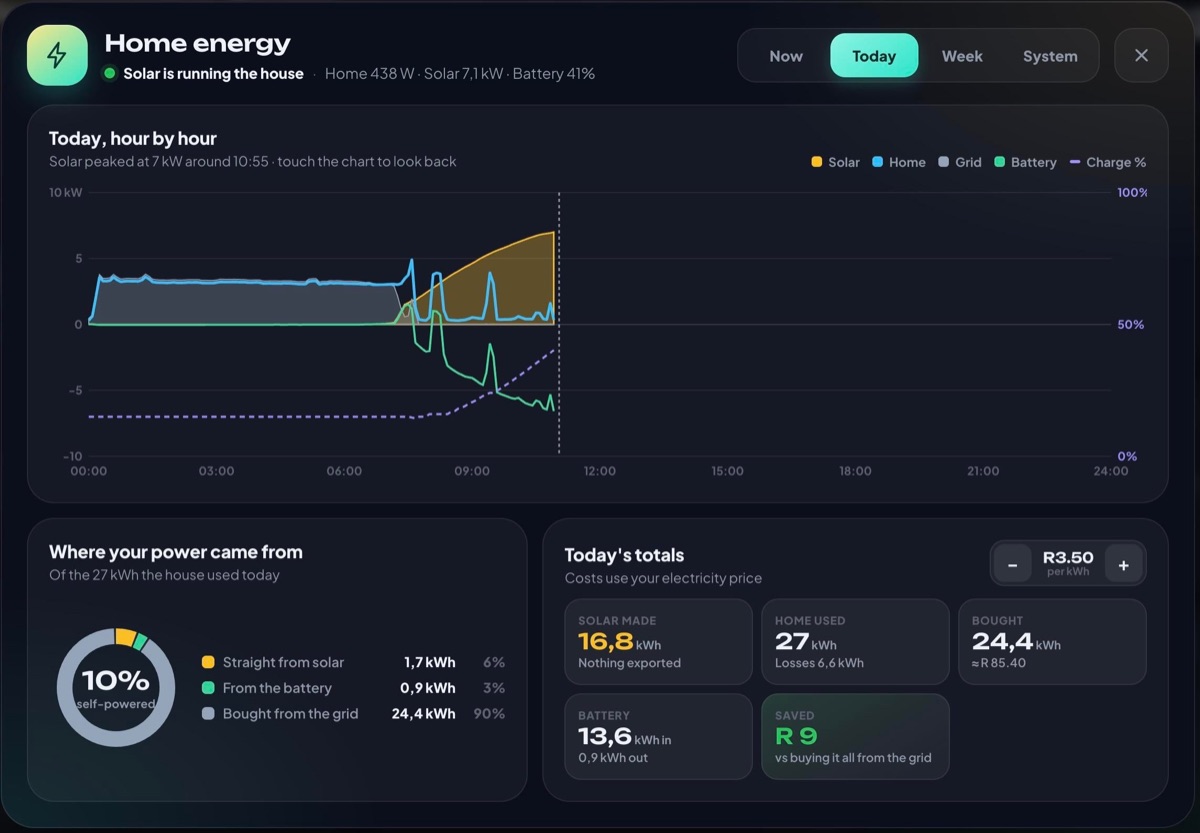
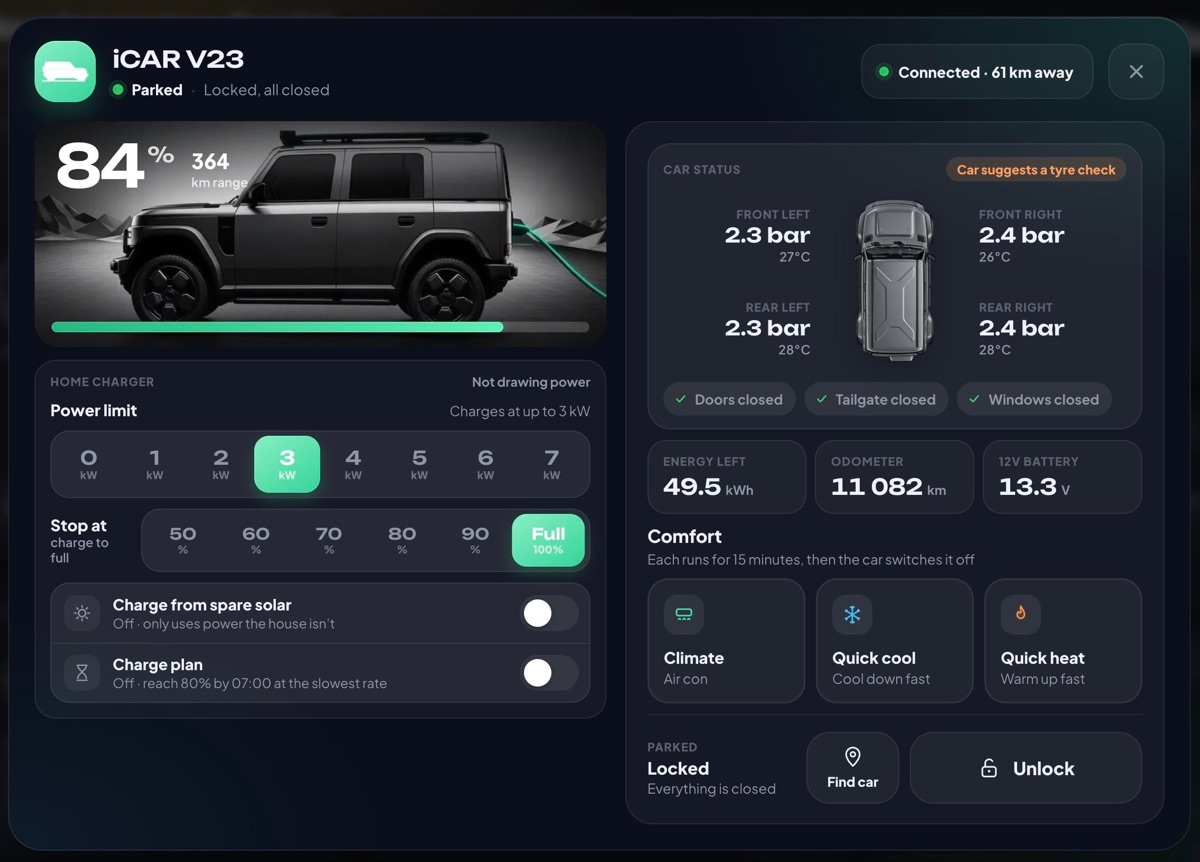
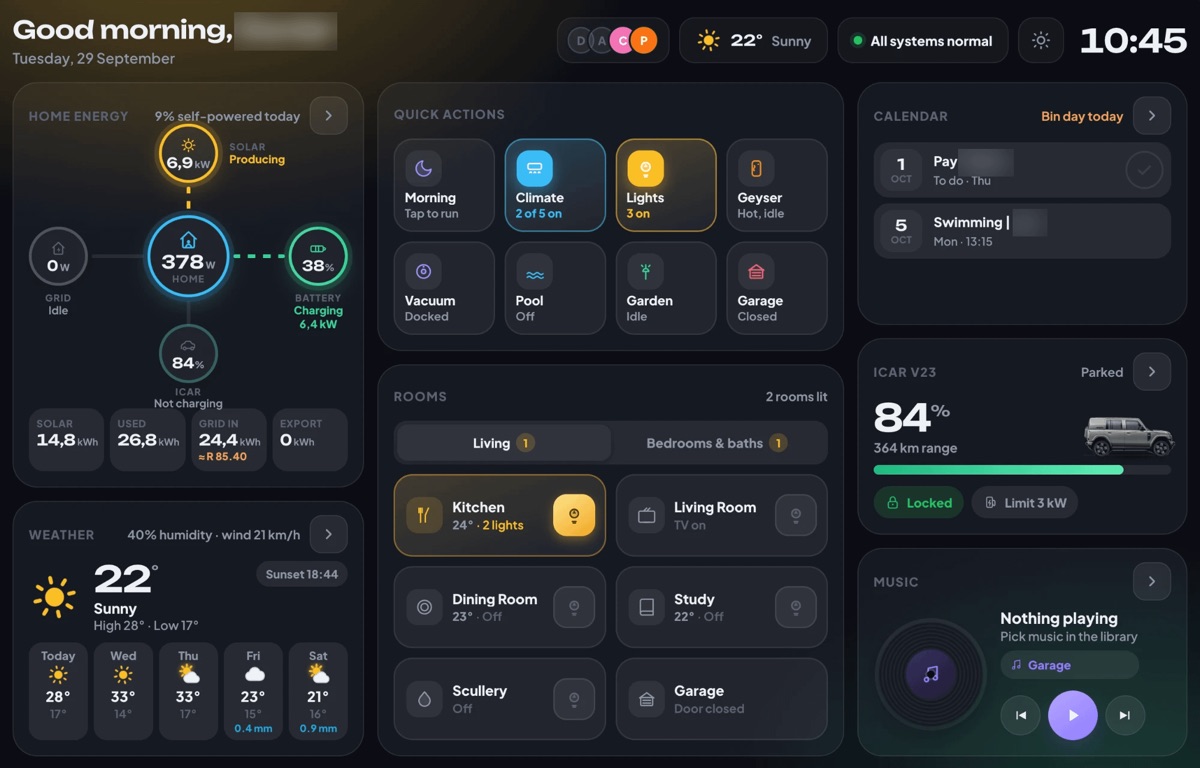
A new dashboard for Home Assistant, the smart home program, was built with Claude Code and Opus 5.5. It is a single page of HTML, JS and CSS, with no framework (a prebuilt development scaffold) and no npm. It includes screens for garden watering, home power, the electric car and lights by room.
Opus 5.5 handled everything from writing the code to preview testing, SSH (remote access) deployment and automation setup, and finished a screen that controls the whole home.
A 3D city game that runs in the browser, on the third try
@xikhar·X·
Likes8,740Views1.8M
After a third round of refinement with Opus 5.5 at medium (middle reasoning setting), Blender (a 3D program), an image-generation AI and three.js (a web 3D tool) were combined into a game that runs directly in the browser. The screen shows a character standing on a skyscraper rooftop and a small map at the bottom right.
Making a game used to mean moving between many tools. One model stitched them together into a result you can open without installing anything.
A verified life-size microduck: 1,113 real LEGO parts, zero collisions
@victormustar·X·
Likes8,660Views1.3M
Asked to design a microduck that could be built from real LEGO, Opus 5.5 designed a life-size model using 1,113 real LEGO parts. It checked 3,204 connections, found 0 places where parts collide, confirmed that every step can be assembled, and confirmed that the center of gravity sits inside the feet. It then made a 141-page LEGO-style manual with 237 steps, priced the parts in the browser and prepared an order on BrickLink (a LEGO parts marketplace).
The whole process of actually building a LEGO piece can be handed to the model, from design and structural checks to assembly instructions and parts ordering.
A multiplayer stickman game that destroys websites, made in a weekend
r/aigamedev·Reddit·
Points1,684Comments192
A game made over a weekend with Opus 5.5. A stickman walks around on a website screen and shoots weapons to scatter the text and break the screen. It also supports multiplayer with several people.
In a single weekend, the idea of turning a real web page into a playground became a game that can be enjoyed right away.
A 9.5-hour Rust port of HAProxy passing nearly all its tests
Boris Cherny · Anthropic·X·
Likes7,665Views525.2K
It moved HAProxy, the open-source tool that distributes requests in front of web services, from C to Rust in full. It passed nearly all of HAProxy's own tests in 9.5 hours, while Fable 5.1 took 12 hours on the same job.
It finished a migration that would take a human team weeks faster than a more expensive model, at 51% lower cost.
A 3D boat you steer through Japan as weather and time of day change
@MengTo·X·
Likes6,547Views475K
This scene was built with Three.js (a JavaScript tool for drawing 3D in a web browser). You steer a boat down a river through Japanese scenery. The weather changes and the light shifts between day and night. It has reflections on the water, a pagoda, cherry trees and 3D people, and you can try it right away on a public site.
A 3D scene with water reflections, physics, weather and buildings can be made to run right in the browser with no install.
A 3D island town built in about 8 hours with $1,874.40 worth of tokens
@dangreenheck·X·
Likes5,792Views866.7K
This 3D island town has moving birds, crabs, fish and whales, cloth and signs that sway in the wind, and pier lights that come on at night. Most requests were along the lines of 'add X and Y' or 'this looks off, make it better'. Using several subagents (helper AIs that split up the work), it used 59% of the $200 plan's weekly usage limit over about 8 hours of real time.
With no technical instructions, just repeated short requests, one person can build a 3D world that never drops below 60 FPS (frames per second) at 1440p resolution.
16 code fixes that caught a concurrency bug from a few short requests
Boris Cherny · Anthropic·X·
Likes5,685Views2M
Claude Agent SDK, a development tool for building agents, had its code formally verified in Lean. This method checks mathematically whether code behaves as designed.
The proof process found concurrency bugs that are hard for people to spot, and a few short requests produced 16 code fixes.
A Splatoon-style 3D ink shooter you can play by opening a link
@JaydenDavisNC·X·
Likes5,363Views789K
A 3D game was made with Opus 5.5 in the style of Nintendo's Splatoon: two teams compete by shooting ink to paint the floor in their color. It has a time-limit timer, a minimap and a special-move button, and anyone can go to the web address and play right away.
The rules and screen layout of a famous console game can be carried over into a game that runs in the browser with no install.
Browser Minecraft with sunset light reflected on the waves
@noahwachnik·X·
Likes5,274Views504.5K
A Minecraft-style block game made by Opus 5.5 runs in a web browser. Between a sea lit by the sunset and grassy hills, the player picks blocks from the block bar at the bottom (the hotbar) and builds a glass structure.
It fits the light and water effects seen in installed games into a single browser window.
An old-school MMO RPG built solo in 36 hours on $2,175 of tokens
@Stefan_3D_AI·X·
Likes5,116Views1.6M
Opus 5.5 was given a gaming laptop, the Unity game engine, the 3D program Blender and external APIs, and left to work on its own for 36 hours. The result was a playable old-school MMO RPG (a role-playing game where many players share one world online). It used 7.85 billion tokens and cost $2,175 for Opus 5.5. A separate $230 went to 2D and 3D art and music generation.
One person can build a game, down to a character creation screen where you pick a race and class, on a single laptop in under two days.
A smiling sun built block by block, with no commands
@siyabuilt·X·
Likes30.6KViews5.5M
Sonnet 5.5 and GPT-6 Astra got the same task, to build what you think you look like, and built side by side on a Minecraft server. Sonnet 5.5 placed blocks directly, with no commands, and raised a smiling sun with orange rays.
Within limits of 45 minutes, 10 build calls and 6,000 blocks, the model decided for itself how it looks and built it.
A single prompt, 12% of the usage limit: Opus 5.5's own launch video
@nahiddotai·Threads·
Likes1,000Replies297
With a single prompt, it made a launch promo video for Opus 5.5, complete with game-style background music. It used only 12% of the 5-hour usage limit.
It makes a whole video in its default state, with no extra tools or setup.
A 15-second motion designer showreel from a one-shot prompt
@stephanlivera·X·
Likes16.9KViews2.2M
With Opus 5.5 set to Max effort, its deepest thinking level, a single request asked for a 15-second motion graphic like a showreel (a short compilation video that shows off your skills) to attach to a résumé. The result was a video of bold CLAUDE lettering and the phrase motion designer moving across a red screen.
A self-introduction video that motion designers put real work into can come from a one-line request.
A 3D lens lab from a one-shot prompt in 1 hour 26 minutes for $25.66
@RyanSael·X·
Likes16.2KViews3.4M
From a single request to explain how camera focus works, it worked for 1 hour 26 minutes and built a hands-on 3D lens lab web page. Turning the focus ring moves the glass elements inside the lens and shifts the plane in sharp focus forward and back through the scene. The API (the way programs call the model) cost $25.66.
In one pass, it turned optics that are hard to follow in text into a teaching tool you learn by turning it with your hands.
A printmaking-style train journey drawn only in JavaScript, no images
r/ClaudeAI·Reddit·
Points2,531Comments103
A train journey with scenery passing outside the window, drawn only with JavaScript code and no image files. It took a single prompt and about 45 minutes.
Even a printmaking (risograph) art style can be expressed in code.
A shape-morphing UI motion video made only in code, no After Effects
@twoclipping·X·
Likes12KViews1M
Opus 5.5 made a UI motion video using only code. In it, a single shape keeps turning into screen elements such as a button and a music player. The video editor After Effects was not used at all, and the author also shared a prompt template for making the same video again.
Designers used to polish UI motion scene by scene in dedicated software. Now it can be made with a single prompt and an HTML file.
A personal budget dashboard, SharkFin, on 35% of the weekly limit
r/ClaudeAI·Reddit·
Points2,391Comments280
Opus 5.5 at medium (middle reasoning effort) built the screens of SharkFin, a personal finance dashboard like Monarch. It connects to bank accounts and shows spending, net worth and a transaction list on computer and phone screens. It also has a page for cash flow by property.
On just 35% of the weekly limit of the $20-a-month Claude Pro plan, you can finish a personal finance app that keeps your data in your own hands.
A smart home dashboard on one HTML page with no framework
r/homeassistant·Reddit·
Points2,122Comments554
A new dashboard for Home Assistant, the smart home program, was built with Claude Code and Opus 5.5. It is a single page of HTML, JS and CSS, with no framework (a prebuilt development scaffold) and no npm. It includes screens for garden watering, home power, the electric car and lights by room.
Opus 5.5 handled everything from writing the code to preview testing, SSH (remote access) deployment and automation setup, and finished a screen that controls the whole home.
A 3D city game that runs in the browser, on the third try
@xikhar·X·
Likes8,740Views1.8M
After a third round of refinement with Opus 5.5 at medium (middle reasoning setting), Blender (a 3D program), an image-generation AI and three.js (a web 3D tool) were combined into a game that runs directly in the browser. The screen shows a character standing on a skyscraper rooftop and a small map at the bottom right.
Making a game used to mean moving between many tools. One model stitched them together into a result you can open without installing anything.
A verified life-size microduck: 1,113 real LEGO parts, zero collisions
@victormustar·X·
Likes8,660Views1.3M
Asked to design a microduck that could be built from real LEGO, Opus 5.5 designed a life-size model using 1,113 real LEGO parts. It checked 3,204 connections, found 0 places where parts collide, confirmed that every step can be assembled, and confirmed that the center of gravity sits inside the feet. It then made a 141-page LEGO-style manual with 237 steps, priced the parts in the browser and prepared an order on BrickLink (a LEGO parts marketplace).
The whole process of actually building a LEGO piece can be handed to the model, from design and structural checks to assembly instructions and parts ordering.
A multiplayer stickman game that destroys websites, made in a weekend
r/aigamedev·Reddit·
Points1,684Comments192
A game made over a weekend with Opus 5.5. A stickman walks around on a website screen and shoots weapons to scatter the text and break the screen. It also supports multiplayer with several people.
In a single weekend, the idea of turning a real web page into a playground became a game that can be enjoyed right away.
A 9.5-hour Rust port of HAProxy passing nearly all its tests
Boris Cherny · Anthropic·X·
Likes7,665Views525.2K
It moved HAProxy, the open-source tool that distributes requests in front of web services, from C to Rust in full. It passed nearly all of HAProxy's own tests in 9.5 hours, while Fable 5.1 took 12 hours on the same job.
It finished a migration that would take a human team weeks faster than a more expensive model, at 51% lower cost.
A 3D boat you steer through Japan as weather and time of day change
@MengTo·X·
Likes6,547Views475K
This scene was built with Three.js (a JavaScript tool for drawing 3D in a web browser). You steer a boat down a river through Japanese scenery. The weather changes and the light shifts between day and night. It has reflections on the water, a pagoda, cherry trees and 3D people, and you can try it right away on a public site.
A 3D scene with water reflections, physics, weather and buildings can be made to run right in the browser with no install.
A 3D island town built in about 8 hours with $1,874.40 worth of tokens
@dangreenheck·X·
Likes5,792Views866.7K
This 3D island town has moving birds, crabs, fish and whales, cloth and signs that sway in the wind, and pier lights that come on at night. Most requests were along the lines of 'add X and Y' or 'this looks off, make it better'. Using several subagents (helper AIs that split up the work), it used 59% of the $200 plan's weekly usage limit over about 8 hours of real time.
With no technical instructions, just repeated short requests, one person can build a 3D world that never drops below 60 FPS (frames per second) at 1440p resolution.
16 code fixes that caught a concurrency bug from a few short requests
Boris Cherny · Anthropic·X·
Likes5,685Views2M
Claude Agent SDK, a development tool for building agents, had its code formally verified in Lean. This method checks mathematically whether code behaves as designed.
The proof process found concurrency bugs that are hard for people to spot, and a few short requests produced 16 code fixes.
A Splatoon-style 3D ink shooter you can play by opening a link
@JaydenDavisNC·X·
Likes5,363Views789K
A 3D game was made with Opus 5.5 in the style of Nintendo's Splatoon: two teams compete by shooting ink to paint the floor in their color. It has a time-limit timer, a minimap and a special-move button, and anyone can go to the web address and play right away.
The rules and screen layout of a famous console game can be carried over into a game that runs in the browser with no install.
Browser Minecraft with sunset light reflected on the waves
@noahwachnik·X·
Likes5,274Views504.5K
A Minecraft-style block game made by Opus 5.5 runs in a web browser. Between a sea lit by the sunset and grassy hills, the player picks blocks from the block bar at the bottom (the hotbar) and builds a glass structure.
It fits the light and water effects seen in installed games into a single browser window.
An old-school MMO RPG built solo in 36 hours on $2,175 of tokens
@Stefan_3D_AI·X·
Likes5,116Views1.6M
Opus 5.5 was given a gaming laptop, the Unity game engine, the 3D program Blender and external APIs, and left to work on its own for 36 hours. The result was a playable old-school MMO RPG (a role-playing game where many players share one world online). It used 7.85 billion tokens and cost $2,175 for Opus 5.5. A separate $230 went to 2D and 3D art and music generation.
One person can build a game, down to a character creation screen where you pick a race and class, on a single laptop in under two days.